Emotional and Physical Challenges of Living with Fistula During Pregnancy
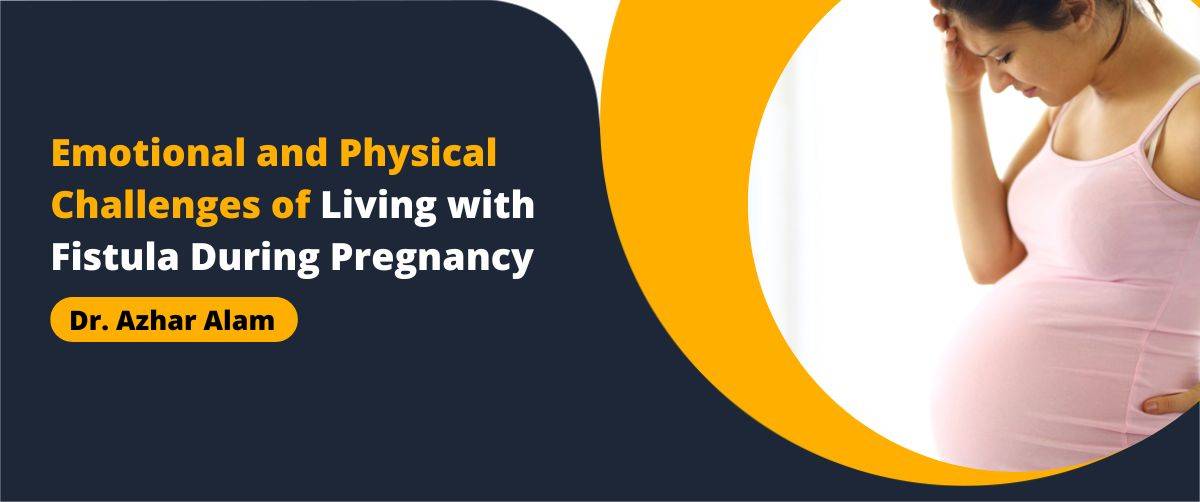
Pregnancy brings many changes, and Living with Fistula During Pregnancy can make things more challenging. A fistula—an abnormal connection between the anal canal and skin—can cause pain, discomfort, and infections, affecting daily life and emotional well-being.
Physical Challenges
Pregnancy naturally brings hormonal changes, weight gain, and increased pressure on the pelvic region. For women with an existing fistula, these changes can exacerbate symptoms such as
- Pain and Discomfort: The added pressure in the anal region can worsen pain, making sitting, walking, or lying down uncomfortable.
- Bleeding and Infection: Fistula may lead to occasional bleeding or discharge, increasing the risk of infection during pregnancy.
- Difficulty with Bowel Movements: Constipation, common in pregnancy, can worsen fistula symptoms and make defecation painful.
- Sleep Disturbances: Pain and urgency can interrupt sleep, leaving expectant mothers fatigued and stressed.
Managing these physical symptoms requires careful attention to diet, hygiene, and medical monitoring.
Also Read : Piles During Pregnancy
Emotional Challenges!
- Anxiety and Stress- Fear of complications or worsening symptoms can create anxiety about daily activities, work, and childbirth.
- Embarrassment- Discharge, odor, or bleeding may make some women feel self-conscious, leading to social withdrawal.
- Impact on Mental Health- Constant discomfort and worry can contribute to low mood, irritability, or depression.
- Concerns About Delivery- Many women worry about whether the fistula will complicate vaginal delivery or require surgical intervention.
Support from healthcare providers, family, and peer groups can help manage these emotional burdens. Understanding that fistula is treatable and manageable can reduce stress and promote positive energy during pregnancy.
Coping Strategies!
- Regular Medical Checkups- Frequent consultations with a fistula specialist ensure monitoring of symptoms and timely intervention.
- Diet and Hydration- Eating fiber-rich foods and staying hydrated helps reduce constipation and strain during bowel movements.
- Hygiene Practices- Gentle cleaning, use moist wipes, and avoid harsh soaps.
- Pain Management- Safe pain relief methods approved by a doctor can improve comfort and quality of life.
- Emotional Support- Speaking with counselors, joining support groups, or talking to other women with similar experiences can reduce anxiety.
- Exercise- Light, pregnancy-safe exercises enhance circulation, relieve pressure, and improve overall well-being.
Medical Considerations!
Treating fistula during pregnancy requires careful planning. Some treatments, such as certain medications or surgical procedures, may need to be postponed until after childbirth. However, early consultation with a fistula doctor in Kolkata helps create a personalized plan that balances symptom relief with the safety of mother and baby.
Laser therapy and minimally invasive procedures may be considered postpartum to ensure complete healing with minimal recurrence. Awareness and timely care are key to reducing complications and improving outcomes.
Preparing for Postpartum Treatment!
After delivery, the focus shifts to full recovery and long-term management of the fistula. Planning ahead can help
- Schedule a consultation with a fistula specialist for proper evaluation and treatment options.
- Discuss the suitability of laser therapy or minimally invasive procedures for faster healing.
- Maintain a high-fiber diet and proper hygiene to support recovery and prevent recurrence.
- Continue emotional support through counseling or peer groups to manage stress.
Preparing for postpartum treatment ensures women transition safely from pregnancy to effective fistula care, improving both physical and emotional well-being.
Conclusion
Emotional and physical challenges of living with fistula during pregnancy. With proper medical care, guidance from a fistula specialist in Kolkata, good diet and hygiene, and emotional support, women can manage symptoms safely and prepare for effective treatment after childbirth.
FREQUENTLY ASKED QUESTIONS!
Can fistula worsen during pregnancy?
Yes. Increased pressure in the pelvic region and constipation can aggravate symptoms, making management important.
How can I manage pain from fistula while pregnant?
Pain can be managed with safe, doctor-approved medications, warm sitz baths, and gentle hygiene practices.
Will fistula affect my delivery?
Most women with fistula can have normal deliveries, but your doctor will assess the best method for safe childbirth.
How can diet help with fistula symptoms during pregnancy?
A high-fiber diet and adequate fluids reduce constipation, easing bowel movements and lowering discomfort.
How can I manage emotional stress related to fistula?
Support groups, counseling, and open communication with family or medical professionals can help reduce anxiety and stress.
When should I see a fistula specialist during pregnancy?
Any persistent pain, discharge, bleeding, or worsening symptoms should prompt immediate consultation with a trusted fistula specialist in Kolkata.
Call To Action!
Dr. Azhar Alam, is a leading fistula doctor in Kolkata. Book a consultation today for safe, effective care and improved comfort throughout your journey.