Post-Delivery Anal Fissure: Causes & Recovery
An anal fissure is a small tear in the lining of the anal canal that causes sharp pain during and after bowel movements, and sometimes bleeding. When it happens after childbirth, it’s commonly called a post-delivery anal fissure — a painful but usually treatable condition that many new mothers experience. With timely diagnosis and care from the best fissure doctor in Kolkata, recovery is often faster and complications can be avoided. Reported rates vary depending on the study and how “anal fissure” is defined: prospective and review studies show a wide range — from low single digits up to around a third or more of women reporting perianal disorders (hemorrhoids and fissures) in the pregnancy/postpartum period. Recent reviews and cohort data through 2024–2025 indicate figures often cited between 3% and 40%, with several large cohorts reporting prevalences in the teens to low-40s depending on assessment methods.
Also read: Early Symptoms of Anal Fistula Most Patients Ignore in 2026
Causes of Post Delivery Anal Fissure
Vaginal birth trauma — tears, forceps/vacuum assistance, or prolonged second stage can increase perineal strain.
Constipation and straining — very common in the postpartum period due to pain avoidance, iron supplements, low fluid intake or reduced mobility.
Hard stools, poor bowel habits, and pelvic floor dysfunction — these increase internal sphincter tone and tearing risk.
Symptoms of Post Delivery Anal Fissure
- Severe, sharp anal pain with bowel motion (can last minutes to hours)
- Bright red blood on toilet paper or surface of stool
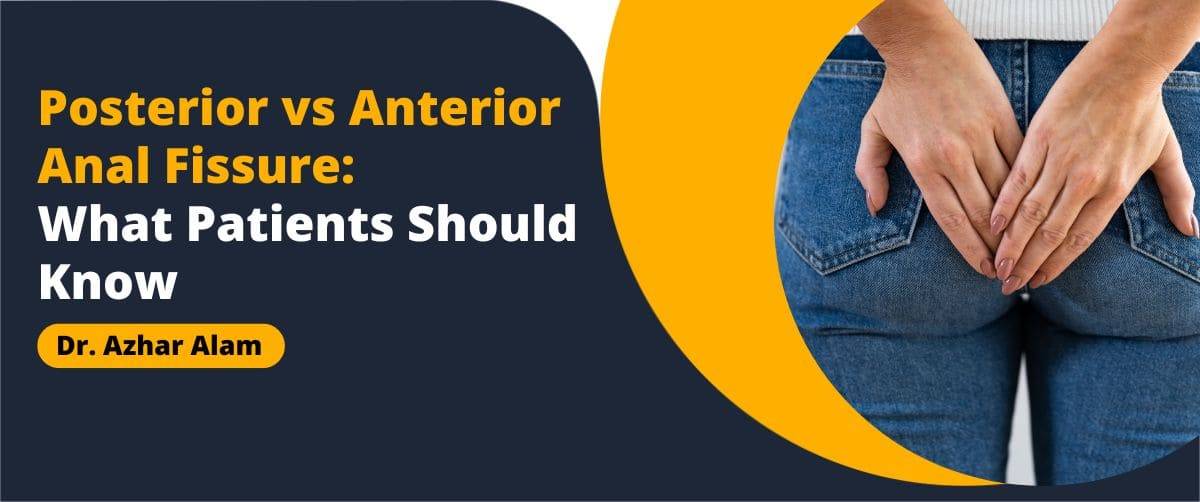
- A visible tear on inspection (anterior fissures are common after childbirth)
- Spasms of the internal anal sphincter causing ongoing pain
If you have fever, severe bleeding, or cannot pass stool, seek urgent care.
Recovery Measures of Post Delivery Anal Fissure
Conservative Measures
Most postpartum fissures are managed conservatively at first. Evidence-backed measures include dietary fibre & stool softeners to keep stools soft (bulk fibre, psyllium, osmotic laxatives). Warm sitz baths after bowel movements help relax the anal sphincter and reduce pain. Topical agents such as calcium-channel blockers (e.g., topical diltiazem) or glyceryl trinitrate (GTN) ointment can relax the sphincter and promote healing. Healing rates for topical therapy vary; many trials show moderate healing (often 50–70% depending on agent and duration). If symptoms persist beyond 6–8 weeks, consulting the best fissure doctor in Kolkata is advised, as longer-term healing is less likely without further intervention.
Medical Injections or Surgery
If a fissure becomes chronic (persistent beyond 6–8 weeks) or fails medical therapy, procedural options include:
-
Botulinum toxin (Botox) injections into the internal anal sphincter — a minimally invasive option often considered among the best fissure treatment in Kolkata, with healing rates reported in the 70–85% range, though recurrence may be higher than surgery in some series.
- Lateral internal sphincterotomy (LIS) — a small, controlled cut in the internal sphincter. Multiple meta-analyses and surgical reviews show higher healing and lower recurrence rates with LIS compared with non-operative options; it remains the gold-standard surgical choice for refractory chronic fissures, with careful patient selection to minimize risk of incontinence.
Timeline
With strict conservative care many acute post-delivery fissures improve within 2–6 weeks. If topical treatment is used, signs of healing are usually seen by 4–8 weeks; beyond this window, discuss escalation. After LIS, most patients experience rapid pain relief and healing over 2–6 weeks, with durable long-term results for most.
If symptoms persist or severely affect life, consult a specialist. Many patients search for terms like “best fissure specialist in Kolkata“, “best fissure doctor in Kolkata” or “best fissure treatment in Kolkata“ when looking for experienced care. If you’d like a name to begin your search, some patients look up local experts such as Dr. Azhar Alam while comparing credentials, patient reviews and treatment options. Always choose a colorectal or general surgeon experienced in postpartum anorectal conditions.
Post-delivery anal fissures are common, usually treatable, and often improve with conservative care within weeks. If pain or bleeding continues beyond 6–8 weeks, or symptoms recur, early specialist evaluation — including discussion of botulinum toxin injection or lateral internal sphincterotomy — gives the best chance for lasting relief. For personalized care, consult a qualified fissure specialist in Kolkata to review options and choose the safest, most effective plan for you.