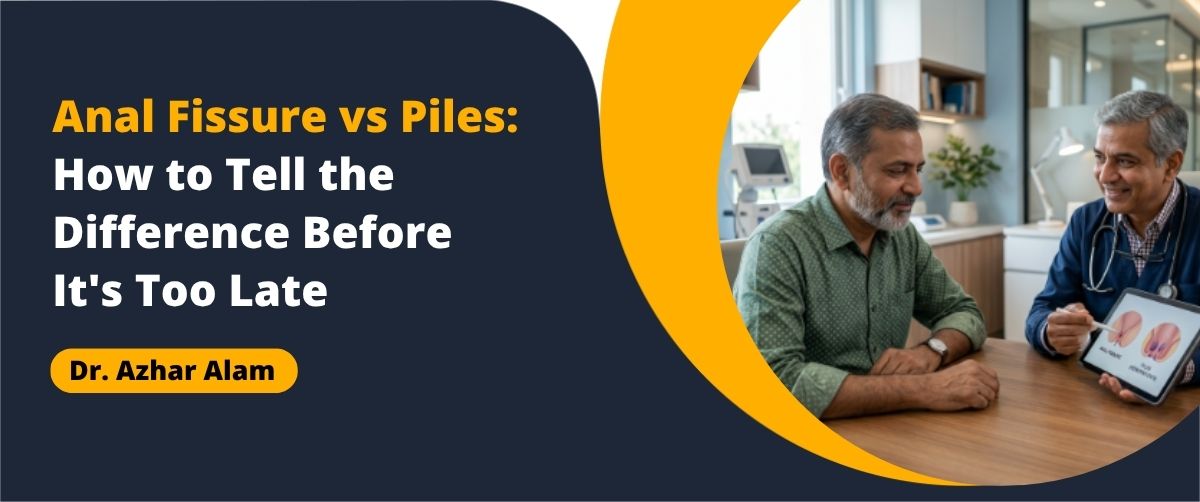
Anal Fissure vs Piles: How to Tell the Difference Before It’s Too Late
Experiencing pain, bleeding, or discomfort during bowel movements can be alarming, but not every anorectal condition is the same. Many people confuse piles with anal fissures because both can cause similar symptoms. Understanding anal fissure vs piles is essential for receiving the right treatment at the right time. Although both conditions affect the same area, their causes, symptoms, and treatments are different. If your symptoms persist or worsen, consulting an experienced Fissure doctor in Kolkata can help you receive an accurate diagnosis and avoid unnecessary complications.
Understanding Anal Fissure vs Piles
An anal fissure is a small tear in the lining of the anal canal, while piles, also known as hemorrhoids, are swollen blood vessels in or around the anus. Both conditions may cause pain and bleeding during bowel movements, but the underlying problem is different. Correct diagnosis is essential for effective treatment. It also prevents patients from relying only on self-treatment.
Read More: Why Teenagers Develop Anal Fissures More Often Than You Think
Symptoms Shared in Anal Fissure vs. Piles
Anal fissures and piles often share symptoms such as pain, bright red bleeding during bowel movements, itching, and discomfort around the anus. These similarities can make it difficult for patients to identify the exact condition on their own. However, careful evaluation of the type of pain, timing of symptoms, and physical findings usually allows a Fissure Specialist Doctor in Kolkata to determine the correct diagnosis.
1. Pain Is Usually More Severe with an Anal Fissure
The pain caused by an anal fissure is often sharp, burning, and intense during or immediately after passing stools. It may continue for several minutes or even hours because the tear becomes irritated during bowel movements. In contrast, piles usually cause discomfort rather than severe pain unless they become thrombosed or prolapsed. Consulting an experienced Fissure Specialist in Kolkata helps patients receive an accurate diagnosis. It also ensures timely treatment.
Why the Type of Pain Matters
Patients with fissures frequently describe the pain as feeling like a cut or tear, while people with piles often report pressure, fullness, or itching. This difference provides an important clue during medical evaluation.
2. Bleeding Patterns Are Different
Both conditions can cause bright red blood after bowel movements, but the pattern may differ. A qualified fissure doctor in Kolkata can assess the bleeding pattern and determine its underlying cause. Bleeding from an anal fissure usually appears as a small streak of blood on the stool or toilet paper and is accompanied by sharp pain. Piles may bleed without causing significant pain, particularly in their early stages. Understanding these differences supports accurate diagnosis and appropriate treatment.
3. The Underlying Causes Are Not the Same
Anal fissures commonly develop because of constipation, passing hard stools, chronic diarrhea, childbirth, or repeated straining during bowel movements. Piles, on the other hand, result from increased pressure on the veins in the rectum due to prolonged sitting, obesity, pregnancy, chronic constipation, or heavy lifting. An experienced Fissure doctor in Kolkata can identify the exact cause and recommend treatment that addresses the underlying problem rather than simply relieving symptoms.
4. Anal Fissure vs Piles: When Should You See a Doctor?
Many people delay medical care because they assume the symptoms will disappear on their own. However, persistent pain, repeated bleeding, difficulty passing stools, or symptoms lasting longer than a few weeks should never be ignored. Early evaluation helps identify the exact condition and prevents unnecessary complications. Consulting an experienced Fissure Specialist Doctor in Kolkata allows for a timely diagnosis and ensures that the most suitable treatment begins without delay.
Warning Signs You Should Never Ignore in Anal Fissure vs Piles
Seek immediate medical attention if you experience heavy rectal bleeding, severe pain that does not improve, fever, pus-like discharge, or a lump that becomes increasingly painful. These symptoms may indicate complications or another medical condition that requires prompt treatment.
5. Anal Fissure vs Piles: Treatment Approaches
Treatment depends on the correct diagnosis. Mild anal fissures often improve with a high-fiber diet, increased water intake, stool softeners, warm sitz baths, and prescribed medications that relax the anal muscles. Piles may respond to similar lifestyle changes, but advanced hemorrhoids sometimes require procedures such as rubber band ligation or surgery. An experienced Fissure doctor in Kolkata can determine the most appropriate treatment after a detailed examination.
Can Laser Treatment Help?
For patients with chronic anal fissures that do not respond to conservative treatment, Fissure Laser Treatment Kolkata offers a minimally invasive option in selected cases. Laser procedures generally involve less tissue trauma, reduced postoperative discomfort, and a quicker recovery than many conventional surgical techniques. Your surgeon will recommend this approach only after evaluating the severity of the fissure and your overall health.
Preventing Anal Fissures and Piles
Healthy bowel habits play an important role in preventing both conditions. Eating a fiber-rich diet, drinking enough water, exercising regularly, avoiding excessive straining, and responding promptly to the urge to pass stools all reduce pressure on the anal canal. Preventive care not only lowers the risk of developing these conditions but also reduces the likelihood of recurrence after successful treatment.
Why Specialist Care Matters
Although fissures and piles may appear similar, treating the wrong condition can delay recovery. A qualified Fissure Specialist in Kolkata carefully evaluates your symptoms, performs a clinical examination, and recommends personalized treatment based on the actual diagnosis. Accurate diagnosis is the first step toward effective and lasting relief.
Similarly, consulting an experienced Fissure specialist Doctor in Kolkata ensures that chronic symptoms, recurrent fissures, or complications receive advanced evaluation and appropriate management. Personalized care, regular follow-up, and patient education all contribute to better long-term outcomes.
Recovery and Long-Term Relief
Most patients recover well when treatment begins early, and healthy bowel habits are maintained. Chronic fissures that fail to heal with medication may require further intervention. For suitable patients, Fissure Laser Treatment Kolkata can help relieve symptoms while supporting a faster return to normal activities. Following your doctor’s dietary advice, hydration recommendations, and follow-up schedule remains essential for preventing future problems.
Conclusion
Understanding anal fissure vs piles helps patients recognize that similar symptoms can have very different causes. Paying attention to the type of pain, bleeding pattern, and duration of symptoms makes it easier to know when professional evaluation is necessary. If discomfort, bleeding, or pain continues despite home care, consulting an experienced Fissure doctor in Kolkata can provide an accurate diagnosis and a personalized treatment plan for lasting relief.