Crohn’s Disease-Related Fistula: Special Care & Management
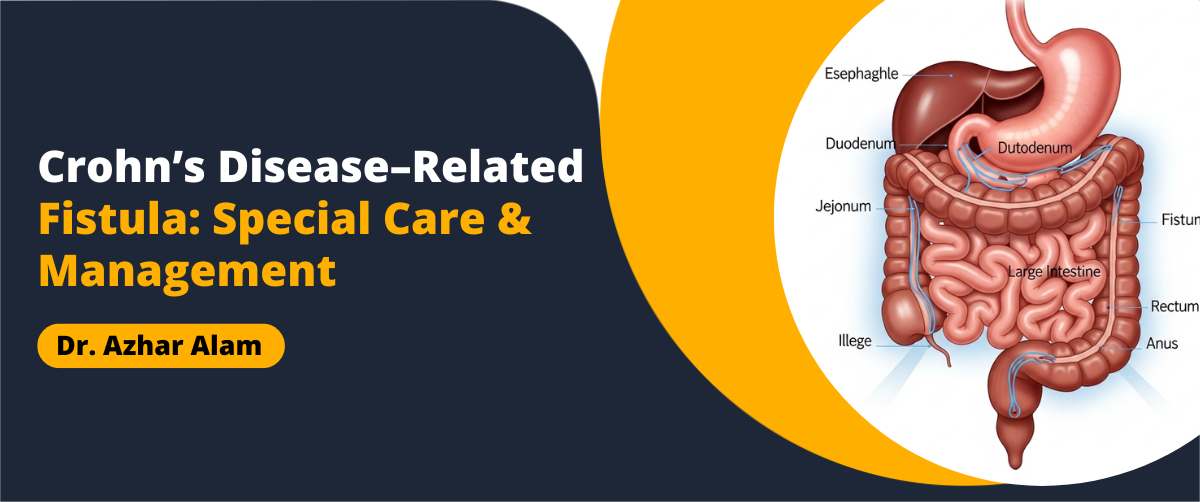
Crohn’s Disease-Related Fistula develops when chronic inflammation caused by Crohn’s disease creates abnormal tunnels between the intestine and nearby organs or the skin. Chronic intestinal inflammation can create abnormal tunnels between the intestine and nearby organs or the skin, leading to pain, infection, and persistent drainage. Early diagnosis and proper treatment are essential to reduce complications and improve long-term quality of life. Timely diagnosis and management by the best fistula doctor in Kolkata is essential.
Crohn’s Disease–Related Fistula: Signs and Diagnosis
Common signs include pain, persistent drainage, recurrent perianal abscesses, and sometimes fever. Diagnosis typically uses clinical exam, endoscopy, pelvic MRI, and sometimes endoanal ultrasound to map fistula tracts precisely. Early multidisciplinary involvement (gastroenterologist + colorectal surgeon) reduces complications and improves outcomes; several recent consensus tools emphasize earlier identification of Crohn’s patients at risk for perianal disease.
Also Read: How Many Sessions Are Needed for Laser Fistula Treatment?
Modern Treatment for Crohn’s Disease–Related Fistula
Although medications reduce inflammation and control infection, doctors usually combine medical therapy with lifestyle changes for better results. Eating a balanced diet, avoiding smoking, managing stress, and attending regular follow-up appointments help reduce disease flare-ups. Consulting a Fistula Specialist in Kolkata also helps patients receive individualized treatment plans based on disease severity.
Medical therapy aims to reduce inflammation and control infection. Doctors often prescribe antibiotics and immunosuppressants during the early stages of treatment. In addition, biologic medicines such as infliximab help close fistulas and reduce recurrence in many patients. Newer biologics and small molecules are under study to expand options for refractory cases, and these drugs are often combined with surgical measures for durable healing.
Surgical Options for Crohn’s Disease–Related Fistula
Surgery focuses on drainage, infection control, and sphincter-sparing repair—an approach typically recommended by the best fistula doctor in Kolkata. Seton placement helps control sepsis and allows inflammation to settle. LIFT (ligation of intersphincteric fistula tract), fistula plugs, and advancement flaps are used for select tracts, all aiming to preserve continence. Researchers continue to evaluate laser fistula surgery and emerging outpatient wound therapies, including vacuum-assisted devices like the Semiflex approach. These treatments may improve healing while reducing complications.
Today, fistula laser treatment in Kolkata offers a minimally invasive option for selected patients with suitable fistula anatomy. Laser procedures generally cause less pain, minimal bleeding, and faster recovery than conventional surgery. However, doctors choose the treatment after evaluating MRI findings and the complexity of the fistula tract.
Advanced Stem Cell and Regenerative Therapies
Allogeneic adipose-derived mesenchymal stem cell therapy represents a significant advance for complex perianal Crohn’s fistulas(darvadstrocel/Alofisel), which received regulatory attention and is used in selected regions for patients who failed conventional and biologic therapy. Clinical studies suggest durable healing in refractory complex fistulas when doctors combine stem cell therapy with appropriate surgical preparation. Research into cell therapies, exosomes, and targeted molecular treatments continues to expand in 2025–2026.
Patients seeking the best fistula treatment in Kolkata should choose a colorectal surgeon experienced in managing Crohn’s disease. A multidisciplinary team that includes a gastroenterologist and colorectal surgeon provides better treatment planning. Before choosing a clinic, ask about MRI evaluation, continence-preserving procedures, laser treatment, and long-term follow-up care.
Nutritional Support and Daily Care for Crohn’s Disease–Related Fistula
Proper nutrition plays an important role in managing Crohn’s disease–related fistulas. Although no single diet can cure the condition, eating balanced meals helps reduce inflammation, supports wound healing, and improves overall digestive health. Doctors often recommend easily digestible foods during disease flare-ups while encouraging patients to stay well hydrated throughout the day. Depending on nutritional deficiencies, vitamin B12, iron, vitamin D, calcium, and folic acid supplements may also be necessary. Patients should avoid foods that trigger their symptoms, such as highly processed meals, excessive spicy foods, or alcohol if these worsen digestive discomfort.
Furthermore, maintaining healthy bowel habits can reduce irritation around the fistula and improve comfort during recovery. Gentle physical activity, adequate sleep, stress management, and smoking cessation also contribute to better long-term outcomes. Patients should carefully follow their prescribed medications and never stop biologic therapy without consulting their doctor, as doing so may increase the risk of disease flare-ups and fistula recurrence. Patients seeking the best fistula treatment in Kolkata should also choose a colorectal surgeon experienced in managing Crohn’s disease–related fistulas and advanced sphincter-preserving procedures. Regular communication with the healthcare team allows treatment plans to be adjusted whenever symptoms change. Combining appropriate nutrition, lifestyle modifications, and specialized medical care significantly improves the chances of long-term disease control and a better quality of life for people living with Crohn’s disease–related fistulas.
Long-Term Follow-Up and Lifestyle Management
Crohn’s disease requires lifelong monitoring because symptoms can return even after successful treatment. Patients should follow their medication schedule, maintain good nutrition, exercise regularly, and attend routine follow-up visits. Regular imaging and clinical assessment help doctors detect recurrence early. Working with an experienced Fistula Specialist Doctor in Kolkata improves long-term disease management and helps preserve quality of life.
Conclusion
Post-treatment care includes wound hygiene (sitz baths), stool softeners, nutritional support, and close follow-up with imaging when needed. Even with modern combinations of biologics, surgery, and regenerative medicine, recurrence can occur — so long-term surveillance and early treatment of flareups are important. Crohn’s-related fistulas are complex but increasingly manageable with a tailored combination of medical therapy, sphincter-sparing surgery, and advancing regenerative options. If you or a loved one needs care, seek a multidisciplinary team and consider experienced, local experts for the best fistula doctor in Kolkata like Dr. Azhar Alam to discuss personalized options.