High Anal Fistula vs Low Anal Fistula: Treatment Differences
Anal fistulas are painful tunnels that develop between the anal canal and the skin around the anus. A high anal fistula is more complex because it passes through a larger portion of the anal sphincter muscles, while a low anal fistula affects only the lower part. Understanding this difference is important because each type requires a different treatment approach. Choosing the wrong procedure can increase the risk of recurrence or affect bowel control. Therefore, consulting an experienced Fistula Doctor in Kolkata helps ensure an accurate diagnosis and the most appropriate treatment plan.
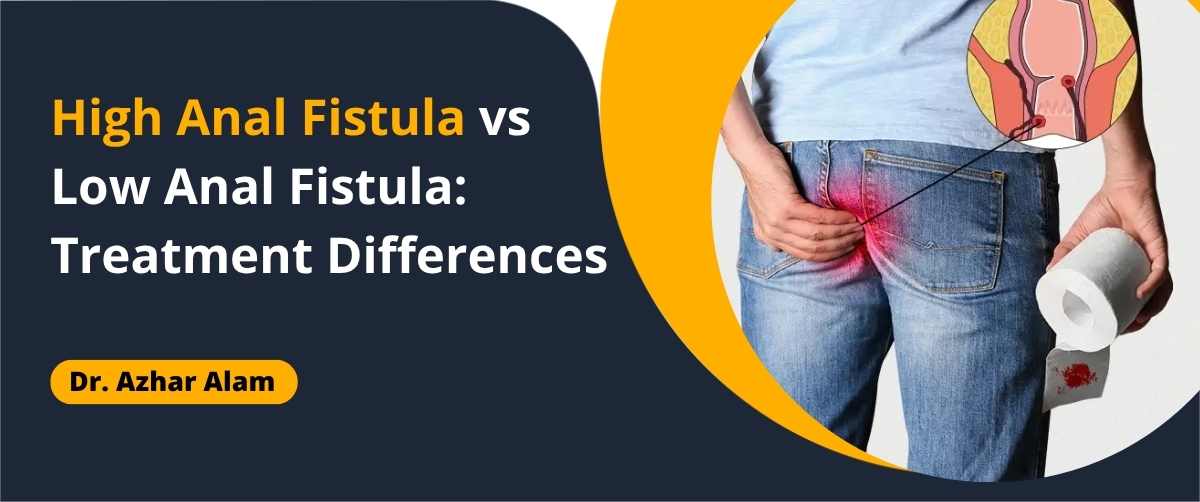
Doctors classify anal fistulas according to how much of the anal sphincter muscle the tract passes through. Low anal fistulas involve only the lower part of the external sphincter. These are usually simple and easier to treat. High anal fistulas pass through a larger portion of the sphincter muscles. They are more complex and require procedures that preserve muscle function. An experienced Fistula Specialist Doctor in Kolkata carefully evaluates the fistula before recommending surgery.
Also read: Menopause-Related Digestive Changes & Piles Risk
High Anal Fistula vs Low Anal Fistula
A low anal fistula generally involves the lower one-third of the external sphincter muscle. Since only a small amount of muscle is affected, surgeons can safely perform a fistulotomy in many patients. A high anal fistula involves the upper two-thirds of the sphincter or crosses a significant portion of the muscle. Performing a standard fistulotomy in these cases may increase the risk of incontinence. This is why high fistulas require more advanced, sphincter-preserving procedures from a skilled Fistula Specialist in Kolkata.
Although anal fistulas are not very common, they are seen regularly in colorectal surgical practice. Research estimates that the incidence ranges between 8 and 12 cases per 100,000 people each year, while prevalence varies depending on the population studied. Because complex fistulas need specialized care, many patients prefer treatment from an experienced Fistula Doctor in Kolkata who manages both simple and complicated fistula cases.
Treatment for Low Anal Fistula
The standard treatment for a simple low anal fistula is fistulotomy. During this procedure, the surgeon opens the fistula tract to allow healing from the inside out. This method has healing rates of over 90% in properly selected patients. Recovery is usually quick, and the risk of incontinence remains low because very little sphincter muscle is divided. Patients seeking reliable fistula laser treatment in Kolkata should first undergo a proper evaluation because not every low fistula requires laser surgery.
Treatment for High Anal Fistula
High anal fistulas require sphincter-sparing techniques to protect bowel control. One commonly used option is the LIFT (Ligation of the Intersphincteric Fistula Tract) procedure. Another well-established treatment is the mucosal advancement flap (MAF). These procedures aim to close the fistula while preserving the sphincter muscles. A qualified Fistula Specialist Doctor in Kolkata selects the most suitable option based on MRI findings, fistula anatomy, and previous treatments.
Laser Treatment for Anal Fistula
Laser treatment, also called FiLaC (Fistula Laser Closure), is a minimally invasive technique that destroys the fistula tract from within while preserving the surrounding muscles. This procedure usually causes less postoperative pain and allows patients to return to normal activities sooner than traditional surgery. Current studies report primary healing rates of around 60% to 70%, while overall success may approach 70% when repeat procedures are included. Patients considering fistula laser treatment in Kolkata should understand that outcomes depend on the complexity of the fistula and that additional treatment may sometimes be required.
Choosing the Right Treatment
The success of anal fistula treatment begins with an accurate diagnosis. MRI of the pelvis or endoanal ultrasound helps surgeons identify the fistula tract, internal opening, and any secondary branches. This detailed mapping allows doctors to choose the safest procedure while reducing the chance of recurrence. An experienced Fistula Specialist in Kolkata uses these investigations to create a personalized treatment plan for every patient.
Low fistulas usually respond well to fistulotomy because they involve only a small portion of the sphincter muscle. High or recurrent fistulas often benefit from sphincter-preserving procedures such as LIFT, mucosal advancement flap, or laser treatment. Patients with Crohn’s disease or multiple previous surgeries may require a multidisciplinary treatment approach. Discussing every available option with a trusted Fistula Doctor in Kolkata helps patients understand the expected recovery, healing rates, and possible need for staged procedures.
Conclusion
High and low anal fistulas differ significantly in their anatomy and treatment strategy. Low fistulas generally achieve excellent outcomes with fistulotomy, while high fistulas often require advanced sphincter-preserving techniques to maintain continence. Modern procedures, including laser treatment, have expanded treatment options for selected patients, but no single technique suits every fistula. If you are experiencing symptoms such as persistent pain, swelling, or discharge near the anus, seek evaluation from an experienced Fistula Specialist Doctor in Kolkata. Early diagnosis and timely treatment improve healing, reduce complications, and help patients return to normal life more quickly.