Gut Health & Fistula: Foods That Help You Heal Faster After Surgery
Recovering from fistula surgery involves more than proper wound care and medications. Your digestive system plays a significant role in how quickly your body heals. Maintaining good gut health after fistula surgery can reduce strain during bowel movements, support tissue repair, and lower the risk of complications such as constipation or infection. Following the right diet while staying hydrated allows your body to recover more comfortably. If you experience persistent pain, delayed healing, or unusual discharge after surgery, consulting an experienced fistula doctor in Kolkata can help you receive the right guidance for a safe and successful recovery.
Understanding Gut Health After Fistula Surgery
Your gut contains trillions of beneficial bacteria that help digest food, absorb nutrients, and support your immune system. After fistula surgery, these bacteria become even more important because they contribute to wound healing and help reduce inflammation. Following the dietary and recovery advice of an experienced fistula specialist doctor in Kolkata can support proper healing and minimise complications. A healthy digestive system also promotes soft bowel movements, preventing excessive pressure on the surgical site. Paying attention to your diet during recovery allows your body to heal naturally while reducing discomfort.
Read More: Why Fistula Keeps Coming Back: A Kolkata Surgeon Explains 5 Key Reasons
Why Gut Health After Fistula Surgery Matters
The foods you eat directly affect your recovery. A balanced diet rich in fibre, vitamins, minerals, and protein supports tissue repair and reduces the likelihood of constipation. Hard stools can place pressure on the healing area, causing pain and delaying recovery. Maintaining gut health after fistula surgery also helps improve immunity, allowing your body to fight infections more effectively during the healing process.
Gut Health After Fistula Surgery: Eat Fiber-Rich Foods Gradually
Fiber helps soften stools and promotes regular bowel movements, reducing strain after surgery. However, increasing fiber too quickly may cause bloating or discomfort. Introduce whole grains, oats, fruits, vegetables, and legumes gradually while drinking enough water throughout the day. A qualified fistula specialist in Kolkata can also recommend dietary adjustments based on your individual recovery and overall digestive health.
Best Sources of Dietary Fiber
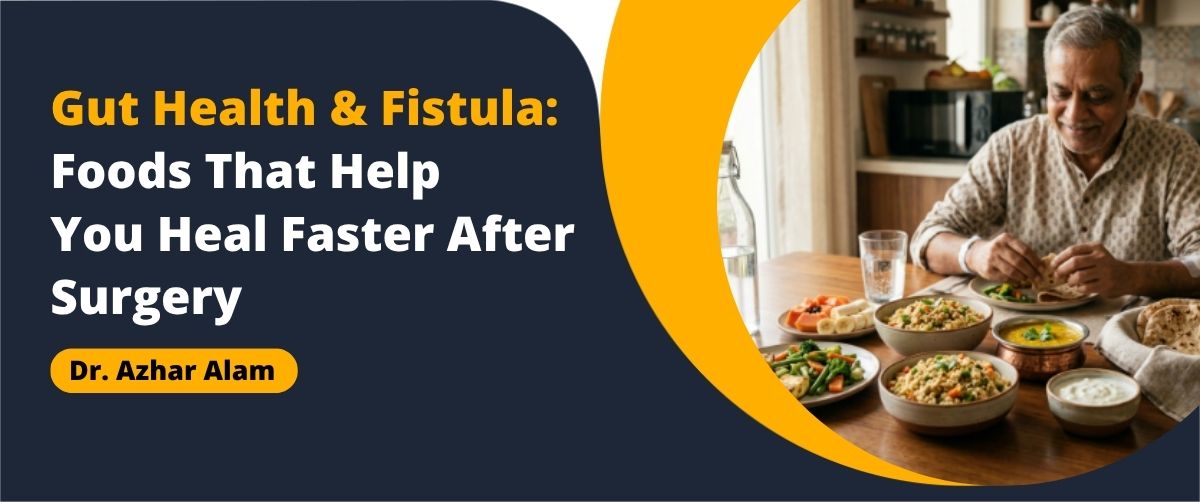
Fresh fruits such as apples, papaya, pears, and bananas provide soluble fibre that supports digestion. Green leafy vegetables, carrots, beans, and whole grains also improve bowel regularity without placing excessive stress on the healing tissues. Eating smaller, balanced meals throughout the day often improves digestion better than consuming large meals.
Gut Health After Fistula Surgery: Include Protein for Faster Tissue Repair
Protein is essential for rebuilding damaged tissues after surgery. Lean chicken, fish, eggs, paneer, tofu, lentils, and pulses provide the amino acids your body needs to heal surgical wounds efficiently. Patients recovering from fistula laser treatment in Kolkata often benefit from a balanced diet that combines protein with healthy carbohydrates and vegetables to support faster recovery while maintaining stable energy levels.
Gut Health After Fistula Surgery: Add Probiotic and Prebiotic Foods
Probiotics are beneficial bacteria that help maintain a healthy balance within your digestive system, while prebiotics provide nourishment for these bacteria. Foods such as curd, yogurt with live cultures, buttermilk, kefir, bananas, onions, garlic, and oats naturally support digestive health. Maintaining a healthy gut microbiome reduces digestive discomfort and contributes to better healing after surgery. Consulting an experienced fistula doctor in Kolkata can also help you understand whether probiotic supplements are appropriate for your recovery.
Gut Health After Fistula Surgery: Stay Hydrated
Water is one of the most overlooked aspects of post-surgical recovery. Drinking enough fluids helps soften stools, prevents constipation, and supports healthy digestion. Most adults should aim for adequate daily water intake unless advised otherwise by their doctor. Coconut water, clear soups, and fresh fruit-infused water can also contribute to hydration. An experienced fistula specialist doctor in Kolkata can recommend hydration and dietary strategies based on your overall health and recovery progress.
Gut Health After Fistula Surgery: Avoid These Foods
Foods to Limit During Recovery
Reduce your intake of refined flour products, packaged snacks, sugary desserts, processed meats, and fast food during the recovery period. Instead, prepare freshly cooked meals using vegetables, whole grains, lean proteins, and healthy fats. Simple dietary changes often make bowel movements more comfortable and reduce pressure on the healing tissues.
Can Laser Surgery Improve Recovery?
Modern fistula laser treatment in Kolkata is a minimally invasive option for selected patients. Because the procedure generally causes less tissue damage than conventional surgery, many patients experience reduced pain, minimal bleeding, and a quicker return to daily activities. However, dietary care remains equally important after laser treatment. Following your surgeon’s nutritional advice helps maximize the benefits of the procedure and supports complete healing.
When Should You Consult a Specialist?
While mild discomfort after surgery is normal, persistent pain, fever, heavy bleeding, foul-smelling discharge, or difficulty passing stools should never be ignored. These symptoms may indicate infection or delayed healing and require immediate medical attention. Consulting an experienced fistula specialist doctor in Kolkata at the earliest sign of complications allows for timely treatment and reduces the risk of recurrence or prolonged recovery.
Why Expert Follow-Up Matters
Every patient’s recovery journey is different. Age, overall health, the complexity of the fistula, and existing medical conditions all influence healing time. A qualified fistula specialist in Kolkata monitors your progress, evaluates wound healing, and adjusts dietary or medical recommendations whenever necessary. Regular follow-up appointments also help detect complications early, ensuring that your recovery remains on track.
Similarly, maintaining regular reviews with a trusted fistula doctor in Kolkata ensures that both your surgical recovery and digestive health receive continuous attention. Personalized advice on nutrition, bowel habits, and wound care helps reduce complications and supports long-term recovery.
Conclusion
A healthy digestive system is one of the most valuable tools for recovering after fistula surgery. Eating fiber-rich foods, consuming adequate protein, including probiotics, staying hydrated, and avoiding processed foods all contribute to gut health after fistula surgery and promote faster healing. Combined with proper wound care and medical follow-up, these healthy habits can make recovery smoother and more comfortable. If you have concerns about healing or experience persistent symptoms, consult an experienced fistula doctor in Kolkata for personalized guidance and the most appropriate treatment plan.