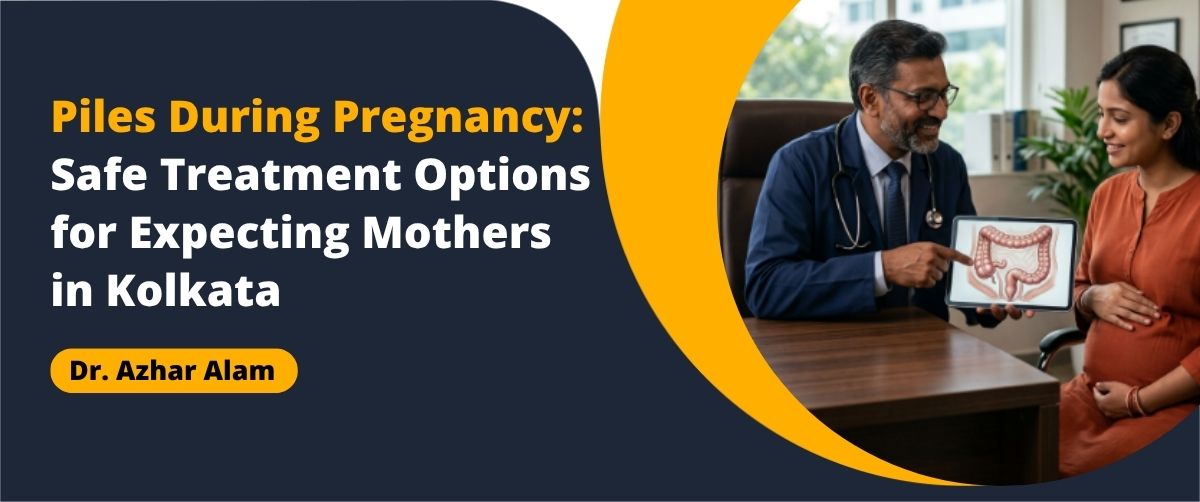
Piles During Pregnancy: Safe Treatment Options for Expecting Mothers in Kolkata
Pregnancy brings many physical changes, and while most are expected, developing piles can be an uncomfortable surprise for many women. Increased pressure on the pelvic veins, hormonal changes, and constipation during pregnancy all contribute to this common condition. Managing Piles during pregnancy safely is essential to protect both the mother and the baby. If symptoms such as pain, itching, bleeding, or swelling become persistent, consulting an experienced Piles doctor in Kolkata can help you receive appropriate treatment while ensuring your pregnancy remains safe and comfortable.
Understanding Piles During Pregnancy
Piles, also known as haemorrhoids, are swollen veins in the rectum or around the anus. They often develop during the second and third trimesters because the growing uterus places additional pressure on the pelvic blood vessels. Pregnancy hormones also relax the veins, making them more likely to swell. Although piles are usually not dangerous, they can cause significant discomfort if left untreated. After delivery, patients with persistent or severe symptoms may discuss the suitability of piles laser treatment in Kolkata with a qualified specialist. Early diagnosis and proper care help prevent the condition from worsening.
Read More: Piles in Diabetic Patients: Extra Risks & Special Precautions
Why Piles During Pregnancy Are More Common
During pregnancy, increased progesterone levels relax blood vessel walls, while the expanding uterus slows blood flow from the lower body. These changes increase pressure on the rectal veins, leading to swollen hemorrhoids. Constipation, which commonly occurs during pregnancy, further increases the risk because straining during bowel movements places additional stress on these veins. Maintaining healthy bowel habits can significantly reduce the chances of developing severe piles.
1. Recognize the Early Symptoms
Early recognition allows treatment to begin before symptoms become severe. Common signs include itching, burning, pain during bowel movements, swelling around the anus, and bright red bleeding after passing stools. Some women may also notice a small lump near the anus. Seeking advice from an experienced Piles Specialist in Kolkata when symptoms first appear can help prevent complications and reduce discomfort throughout pregnancy.
When Symptoms Need Immediate Attention
Although mild piles often improve with conservative care, severe pain, heavy bleeding, or rapidly increasing swelling should never be ignored. These symptoms may require prompt medical evaluation to rule out other conditions and provide safe treatment.
2. Lifestyle Changes Are the First Line of Treatment
Pregnancy piles treatment usually begins with safe lifestyle changes, dietary improvements, and proper hydration before considering medications. Most pregnant women can manage piles successfully through simple lifestyle modifications. Eating a fibre-rich diet, drinking plenty of water, avoiding prolonged sitting, staying physically active, and preventing constipation all help reduce pressure on the rectal veins. A Piles doctor in Kolkata may also recommend warm sitz baths to relieve discomfort and improve blood circulation. These measures often reduce symptoms without the need for invasive procedures.
3. Safe Home Remedies and Medications
Many home remedies provide relief during pregnancy when used correctly. Cold compresses can reduce swelling, while doctor-approved creams or suppositories may ease pain and itching. However, pregnant women should never use over-the-counter medications without consulting a healthcare professional. If symptoms continue despite conservative treatment, visiting a trusted Piles doctor in Kolkata ensures that both maternal and fetal safety remain the highest priority throughout treatment.
4. Maintaining Good Bowel Habits During Pregnancy
Healthy bowel habits play a major role in preventing piles from becoming worse. Avoid delaying bowel movements, as this can harden stools and increase straining. Eating fresh fruits, vegetables, whole grains, and fiber-rich foods helps maintain regular bowel movements, while drinking adequate water keeps stools soft. Gentle pregnancy-safe exercises, such as walking, also improve digestion and blood circulation. A qualified Piles Specialist in Kolkata can provide additional guidance if constipation remains a recurring problem despite lifestyle changes.
5. When Is Medical Treatment Necessary?
Although many cases improve with conservative care, some women experience persistent pain, heavy bleeding, or prolapsed hemorrhoids that require medical attention. Your doctor will carefully evaluate your symptoms, pregnancy stage, and overall health before recommending treatment. In most situations, non-surgical methods remain the preferred approach during pregnancy, with more advanced procedures considered only when necessary.
Is Laser Treatment Safe During Pregnancy?
Modern piles laser treatment in Kolkata offers several benefits, including less pain, minimal bleeding, and quicker recovery for suitable patients. However, doctors generally avoid elective surgical procedures during pregnancy unless there is a medical emergency. If symptoms cannot be controlled with conservative treatment, your surgeon and obstetrician will work together to determine the safest approach. Many women who continue to experience severe piles after childbirth may become suitable candidates for laser treatment.
Preventing Piles During Pregnancy
Preventive care is the best way to reduce discomfort throughout pregnancy. Eating a balanced diet, staying hydrated, exercising regularly with your obstetrician’s approval, and maintaining healthy bowel habits can lower the risk of piles. Consulting an experienced piles doctor in Kolkata can help ensure early diagnosis and pregnancy-safe symptom management. Avoiding prolonged standing or sitting and attending regular prenatal check-ups also allow healthcare providers to address symptoms before they become more troublesome.
Why Specialist Care Matters
Every pregnancy is unique, and treatment should always be personalized. An experienced piles specialist in Kolkata understands the special considerations involved in treating hemorrhoids during pregnancy while protecting both the mother and the baby. Individualized advice on diet, lifestyle, medications, and symptom management helps improve comfort and supports a healthier pregnancy.
Similarly, consulting an experienced Piles Specialist in Kolkata ensures that persistent or severe symptoms receive the right evaluation at the right time. Specialist care reduces unnecessary anxiety, prevents complications, and helps mothers make informed decisions about treatment during pregnancy and after delivery.
Recovery After Childbirth
Many pregnancy-related piles improve naturally after delivery as pressure on the pelvic veins decreases. However, some women continue to experience discomfort or recurring symptoms. If piles persist for several weeks after childbirth, consulting a qualified piles doctor allows your doctor to assess the condition and recommend the most appropriate treatment. For selected patients after pregnancy, piles laser treatment in Kolkata may provide an effective long-term solution with minimal discomfort and faster recovery.
Conclusion
Although piles are common during pregnancy, they can often be managed safely with timely medical advice, healthy lifestyle changes, and appropriate treatment. Understanding piles during pregnancy, preventing constipation, and seeking professional care when symptoms worsen can help expectant mothers stay comfortable throughout pregnancy. If your symptoms persist or become severe, consulting an experienced Piles doctor in Kolkata ensures you receive safe, personalized treatment that protects both your health and your baby’s well-being.