
10 Foods That Worsen Piles: Advice of a Piles Doctor in Kolkata
10 Foods That Worsen Piles: Advice of a Piles Doctor in Kolkata is an important guide for patients struggling with hemorrhoids, pain, bleeding, or constipation. According to an experienced Piles doctor in Kolkata, diet plays a major role in both worsening and improving piles symptoms. Many patients focus only on medicines while ignoring the foods that trigger irritation, swelling, and painful bowel movements.
Why Certain Foods Worsen Piles Symptoms
Top Foods That Worsen Piles
Piles, also known as hemorrhoids, are swollen veins in the rectal area that become worse due to constipation, excessive straining, poor digestion, and unhealthy eating habits. Certain foods can increase inflammation, harden stools, and create discomfort during bowel movements.
Patients undergoing piles laser treatment in kolkata are often advised to maintain a fiber-rich and easily digestible diet to prevent recurrence and support faster healing. Avoiding trigger foods is equally important for managing symptoms naturally.
1. Spicy Foods
Excessively spicy foods are one of the biggest triggers for piles discomfort. Red chili, green chili, and heavily spiced curries can irritate the digestive tract and worsen burning sensations during bowel movements.
Patients with bleeding piles often notice increased discomfort after eating spicy street food or oily restaurant meals.
2. Foods That Worsen Piles like Fried and Oily Foods
Deep-fried snacks such as samosas, pakoras, chips, and fried chicken slow digestion and contribute to constipation. Oily foods also increase bloating and make bowel movements harder.
Constipation creates pressure on rectal veins, worsening the symptoms of piles over time.
3. Processed Foods That Worsen Piles
Packaged foods like instant noodles, frozen meals, biscuits, and processed snacks contain very little fiber. These foods slow bowel movement and increase the chances of hard stools.
A low-fiber diet is one of the leading causes of piles in adults today.
4. Red Meat
Mutton and beef are difficult to digest and may remain in the digestive system longer. This often causes constipation and increases strain during bowel movements.
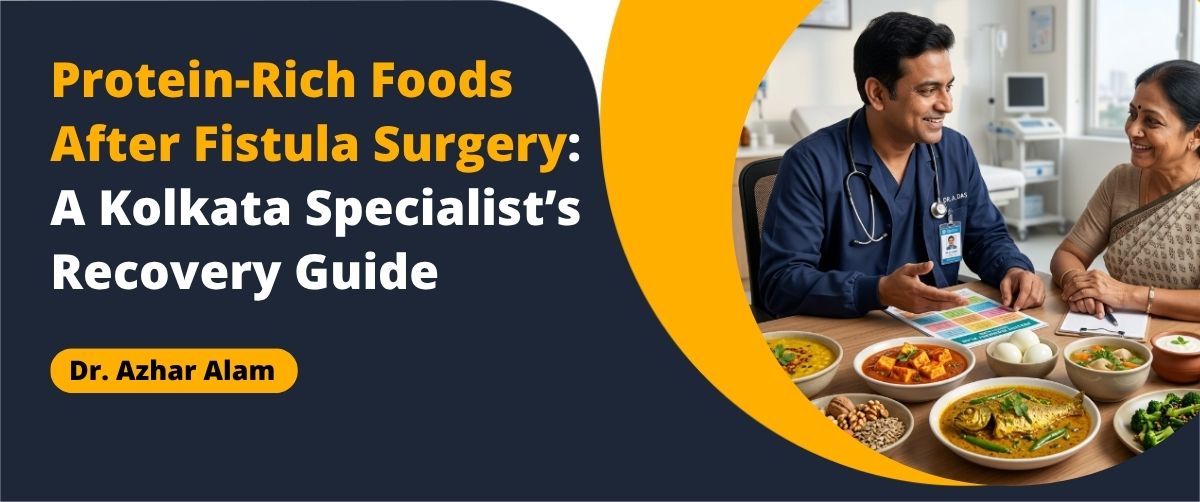
Instead of heavy red meat, patients should choose lighter protein options like fish, chicken, or dal.
5. Excess Tea and Coffee
Too much caffeine can dehydrate the body, leading to harder stools and painful bowel movements. Many people in Kolkata consume multiple cups of tea daily without drinking enough water.
A trusted Piles doctor in Kolkata usually recommends limiting caffeine intake and increasing hydration to maintain smoother digestion.
6. White Bread and Refined Flour
Foods made from maida, such as white bread, cakes, pastries, and bakery items, lack fiber and can worsen constipation. Refined flour products slow digestion and increase pressure during bowel movements.
Whole grains and oats are healthier alternatives for piles patients.
7. Alcohol That Worsens Piles
Alcohol dehydrates the body and affects digestion, making stools harder and more difficult to pass. Excessive alcohol intake may also increase inflammation in the digestive system.
Patients recovering from piles treatment should avoid alcohol completely for better healing.
8. Foods That Worsen Piles
Burgers, pizzas, rolls, and fried fast foods are usually high in unhealthy fats and low in fiber. Regular fast-food consumption often leads to digestive problems and chronic constipation.
An experienced piles specialist in kolkata may advise patients to replace fast food with homemade meals rich in vegetables and fiber.
9. Dairy Products in Excess
While moderate dairy intake is usually safe, consuming too much cheese, butter, or full-fat milk can slow digestion in some people. Excess dairy may increase bloating and constipation.
Patients should monitor how their body reacts to dairy products and maintain balance in their diet.
10. Sugary Foods and Soft Drinks
High-sugar foods and carbonated drinks provide little nutritional value and may affect digestion negatively. Soft drinks can increase bloating, while sugary foods contribute to poor gut health.
Fresh fruits, coconut water, and natural juices are healthier choices for patients with piles.
Foods That Help Piles Recovery
Avoiding harmful foods is important, but adding healthy foods is equally necessary. Patients suffering from piles should include:
- Fruits like papaya, banana, and apple
- Green vegetables
- Whole grains
- Oats and brown rice
- Plenty of water
- Moong dal and fiber-rich foods
A balanced diet keeps stools soft and reduces pressure during bowel movements.
Best Diet Tips to Prevent Piles
Along with diet changes, healthy habits can help reduce piles symptoms naturally.
Drink More Water
Hydration helps prevent constipation and improves digestion.
Avoid Straining
Do not sit in the toilet for long periods or strain excessively during bowel movements.
Exercise Regularly
Walking and light physical activity improve digestion and bowel function.
Eat Fiber Daily
Fiber softens stools and reduces pressure on rectal veins.
Patients receiving treatment from a reputed Piles Specialist in Kolkata are often advised to combine dietary changes with lifestyle improvements for long-term relief.
When to See a Doctor
You should consult a doctor if you experience:
- Bleeding during bowel movements
- Severe pain or swelling
- Persistent constipation
- Itching or irritation around the anus
- Piles symptoms lasting more than a few days
Ignoring piles symptoms can lead to worsening discomfort and complications.
Final Thoughts
Diet plays a major role in managing piles naturally and preventing symptoms from becoming severe. Avoiding Foods That Worsen Piles like spicy, oily, processed, and low-fiber foods can reduce constipation and improve bowel health significantly. Simple dietary changes combined with proper hydration and healthy habits can make recovery easier and more comfortable. If your symptoms continue or become painful, consult an experienced Piles doctor in Kolkata for proper diagnosis, advanced treatment options, and personalized medical guidance.