Is Long-Term Antibiotic Use Effective for Fistula?
Is Long-Term Antibiotic Use Effective for Fistula? This is one of the most common questions patients ask after being diagnosed with an anal fistula. While antibiotics can reduce infection and inflammation, they rarely cure the condition on their own. Understanding when antibiotics work—and when they don’t—helps patients choose the right treatment at the right time. Consulting an experienced Fistula Doctor in Kolkata ensures an accurate diagnosis and helps determine whether antibiotics alone are sufficient or if a definitive procedure is needed.
Is long-term antibiotic use effective for fistula? The short answer: antibiotics help control infection and symptoms and have a role in specific situations (especially Crohn’s-related fistulas), but long-term antibiotics alone are rarely a definitive cure—making expert evaluation for the best fistula treatment in Kolkata crucial for lasting recovery.
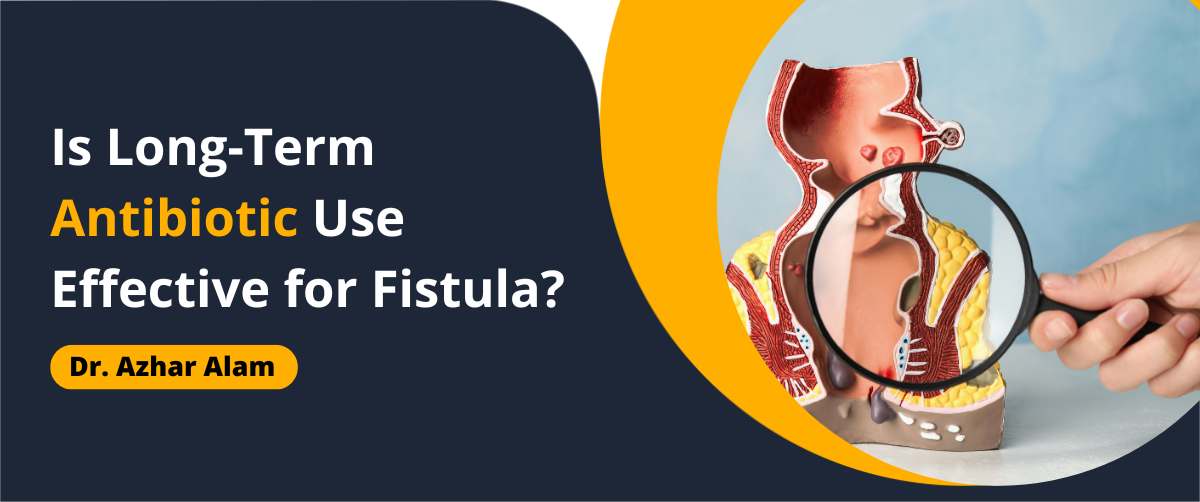
A fistula is an abnormal tunnel between the anal canal or rectum and the skin (or another organ). In Crohn’s disease, the rate of perianal fistulizing complications is substantial—studies report figures in the range of ~30% of Crohn’s patients developing perianal fistulas during their illness.
Also read: Night-Shift Jobs, Irregular Meals & Piles Risk Explained
Is Long-Term Antibiotic Use Effective for Fistula? Understanding the Facts
Antibiotics are primarily used to:
- Treat or prevent local sepsis (infection) around an abscess or draining tract.
- Reduce pain, discharge and inflammation while planning definitive therapy.
- Serve as an adjunct to other medical treatments (for example, with biologics in Crohn’s perianal disease).
Clinical reviews and recent practice papers emphasise antibiotics such as metronidazole and ciprofloxacin as commonly used agents in these settings.
How Is Long-Term Antibiotic Use Effective for Fistula Symptoms?
The evidence is mixed. Some observational and recent prospective reports suggest that antibiotics given after incision and drainage of an anorectal abscess may lower the short-term risk of developing a fistula, while earlier trials provided conflicting results.
Contemporary systematic reviews (2024–2025) show mixed evidence. Therefore, doctors may prescribe antibiotics after abscess drainage in selected cases. However, they cannot guarantee fistula prevention. Consulting a Fistula Specialist in Kolkata helps patients receive a personalized evaluation and the most appropriate treatment plan.
Why Early Diagnosis Matters
Many patients ignore early symptoms such as pain, swelling, discharge, or recurrent abscesses. However, delaying treatment allows the fistula tract to become more complex. Early diagnosis with clinical examination and MRI helps doctors choose the most effective treatment while reducing complications. Consulting an experienced Fistula Specialist Doctor in Kolkata can significantly improve long-term treatment outcomes.
Is Long-Term Antibiotic Use Effective for Fistula After an Abscess?
Can Long-Term Antibiotic Use Cure a Fistula?
Not curative for most fistulas. For cryptoglandular (non-Crohn’s) anal fistula, surgical options (like fistulotomy, sphincter-sparing procedures, plugs or advancement flaps) aim to remove the tract; antibiotics alone do not reliably close the fistula. Resistance and side effects.
Risks of Long-Term Antibiotic Use for Fistula
Prolonged antibiotic courses increase the risk of antibiotic resistance, gut microbiome disturbances, and adverse effects (e.g., peripheral neuropathy with prolonged metronidazole and tendon issues with fluoroquinolones). Relying on antibiotics alone may also delay definitive fistula treatment. Therefore, consulting an experienced Fistula Specialist Doctor in Kolkata helps patients receive timely evaluation and appropriate surgical or biologic therapy when needed.
Long-Term Antibiotic Use for Crohn’s Disease Fistula
In Crohn’s disease, antibiotics have a clearer supportive role: they can reduce drainage and infection and are frequently used in combination with immunomodulators or biologic agents (e.g., anti-TNF therapies). Newer multidisciplinary protocols from 2024–2025 favour coordinated medical + surgical strategies to improve healing rates rather than antibiotics as single agents. In other words, antibiotics can be a useful bridge, not usually the final answer.
Medical Guidelines on Long-Term Antibiotic Use for Fistula
Recent society guidance (European and major gastroenterology coloproctology reviews, and AGA summaries) generally recommend drainage of abscesses promptly. Use antibiotics selectively (for systemic infection, immunocompromised patients, or to control symptoms). For Crohn’s perianal fistulas, combine antibiotics with targeted medical therapy and consider surgery when needed. Antibiotics alone are usually not recommended as definitive management. If you suspect a fistula, see a specialist: search for the best fistula specialist in Kolkata or the best fistula specialist in Kolkata for local expert care. Early assessment reduces complications.
Short antibiotic courses (guided by culture and clinical context) can help control infection, but long-term antibiotic monotherapy is rarely curative. For fistulas related to Crohn’s disease, ask about combined care (gastroenterology + colorectal surgery) and modern biologic options. Multidisciplinary protocols in 2024–2025 show improved outcomes when teams coordinate medical and surgical strategies. If you are in Kolkata and searching for the best fistula treatment in Kolkata, consider a specialist evaluation without delay. Experienced clinicians (including Dr. Azhar Alam) can advise whether short antibiotic therapy, imaging (e.g., MRI fistula), surgical options, or combined medical therapy is the right path for you.
Lifestyle Changes That Support Fistula Recovery
Although antibiotics help control infection, healthy lifestyle habits also support recovery. Eating a high-fiber diet, drinking enough water, and preventing constipation reduce pressure during bowel movements. In addition, regular walking improves circulation and promotes healing. Patients should also maintain good anal hygiene and complete only the antibiotic course prescribed by their doctor. These simple habits support medical treatment and reduce the risk of recurrent infection.
Conclusion
Antibiotics are useful for controlling infection and symptoms and have a defined adjunctive role—especially in Crohn’s-related fistulas — but long-term antibiotics by themselves are unlikely to cure most anal fistulas. Definitive treatment usually involves targeted surgery, biologic therapy (for inflammatory bowel disease), or a combined approach led by an experienced fistula specialist. For expert, up-to-date care in Kolkata, consult the best fistula doctor in Kolkata or the best fistula doctor in Kolkata, and discuss individualized treatment with your surgeon and gastroenterologist.